Braces or Invisalign? Let's Break Down the Differences That Matter
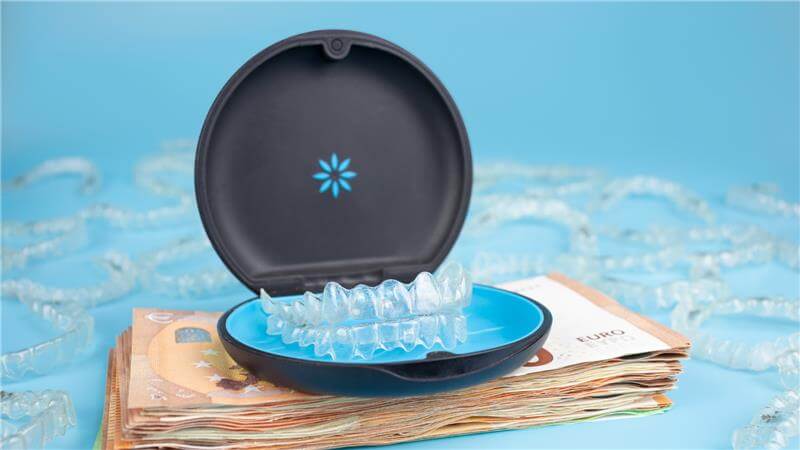
Straightening your teeth is a great way to align your bite and get a smile you love. At Baybird Orthodontics, we know that choosing the right option is a big deal, especially when you're thinking about how it'll fit into your everyday life.
These days, clear aligners are a popular choice for both teens and adults. They fit well with busy schedules and offer a discreet way to straighten your teeth. To figure out what's best for you, it helps to understand the key differences between traditional braces and clear aligners like Invisalign. Ultimately, the right choice will depend on your lifestyle and treatment needs. Let's dive into both options so you can feel confident in your decision.
Understanding Clear Aligners
Clear aligners like Invisalign uses a series of clear, custom-made plastic trays that fit snugly over your teeth. It all starts with a cool digital plan your orthodontist maps out before you even begin. Each aligner makes small adjustments to your teeth, and you'll switch to a new set every week or two.
The benefits are pretty clear! Most people won't even notice you're wearing them. You can also take them out to eat all your favorite foods, and brushing and flossing are as easy as ever. Plus, the smooth plastic edges are comfortable against your gums.
There's one important thing to keep in mind: you need to wear your aligners for 20 to 22 hours a day. It takes a little discipline, but sticking to the schedule is the key to getting the best results.
Understanding Traditional Braces
Traditional braces use small brackets that are attached to your teeth and connected by a thin wire. During your regular visits, your orthodontist will adjust the wires, applying steady pressure to guide your teeth into their perfect positions.
You have a few options for materials, including metal, ceramic, or hybrid braces. Metal braces are incredibly strong and reliable, while ceramic options are designed to blend in with your natural tooth color. No matter which you choose, they all work toward the same goal. Braces are fantastic for tackling more complex alignment issues, like severe crowding or significant bite problems. They give your orthodontist precise control over every tooth's movement.
You'll need to be a little more careful when brushing around the brackets, and some foods are best avoided. Hard or sticky snacks can sometimes damage the brackets or wires. While they are more visible than clear aligners, millions of people wear braces happily and successfully.
Major Distinctions Between Braces and Clear Aligners Like Invisalign
Visibility
- Braces: They're more noticeable, though ceramic options can blend in better with your teeth.
- Clear Aligners: These aligners are nearly invisible, so most people won't even know you're wearing them.
Comfort
- Braces: You might feel some pressure or rubbing, especially after an adjustment.
- Clear Aligners: The smooth plastic is generally comfortable with minimal irritation.
Hygiene
- Braces: Brushing and flossing require extra care to clean around the brackets and wires.
- Clear Aligners: You just pop the aligners out to brush and floss like you normally would.
Food Restrictions
- Braces: You'll need to avoid certain hard, sticky, or chewy foods.
- Clear Aligners: There are no food restrictions since you remove the aligners to eat.
Treatment Suitability
- Braces: Excellent for even the most complex and severe alignment cases.
- Clear Aligners: Great for mild to moderate issues, and the technology is always advancing to treat more complex cases.
Your choice really depends on your specific needs. Think about your daily routine and what feels like the best fit for your lifestyle. Both options can deliver a beautiful, healthy smile.
Clear Aligners for Teens and Adults
It's easy to see why teens love the low-key nature of clear aligners. School photos look natural, and social events feel more comfortable. No one has to know you're in treatment unless you want to tell them.
Adults also appreciate how easily clear aligners such as Invisalign and Spark, fit into a professional environment. You can head into meetings and presentations without feeling self-conscious. The lack of visible metal helps you maintain your confidence at work and in your personal life.
Digital monitoring adds another layer of convenience. Many practices offer virtual check-ins, allowing you to track your progress with an app and photos between office visits. This modern approach saves time and keeps you in the loop.
Treatment Duration and Expected Results
How long your treatment takes depends on a few things. Simple spacing issues might be fixed more quickly than severe crowding, while bite correction can often take more time. How consistently you wear your aligners also plays a huge role.
Most treatment plans have a typical wear schedule with milestones along the way. Seeing those small improvements is a great motivator! Regular check-ins with your orthodontist will make sure everything is moving according to plan.
Keeping your aligners clean is also important for your oral health. Just rinse them with lukewarm water and brush them gently with a soft toothbrush to prevent buildup and keep them looking clear.
Switching from Braces to Clear Aligners
Ever wonder if you can switch from braces to clear aligners like Invisalign mid-treatment? Sometimes, you can! Maybe your alignment has improved enough that clear aligners are now a great option, or perhaps your lifestyle has changed. It's normal for preferences to evolve.
Your orthodontist will need to evaluate your progress to see if a switch is possible. It's not the right move for every case, and the decision will depend on what corrections are still needed.
The good news is that orthodontists can often modify treatment plans when it makes sense. They'll consider your goals and current tooth positions to help you get the best possible outcome.
Locations Served
Clear aligners and braces treatment options are available in:
- Smyrna
- Dover
- & the surrounding areas
Adults and teens in these locations are able to enjoy a complete orthodontics treatment and support throughout.
Final thoughts
Choosing between braces and clear aligners like Invisalign is a big decision, but the good news is that both can give you amazing results. The best first step is to chat with a skilled orthodontist about your goals. Once you get their expert advice, it'll be much clearer which option is the perfect fit for you.
FAQs
What's the difference between braces and Invisalign?
The main difference is how they work! Braces use brackets and wires to gently shift your teeth, while clear aligners like Invisalign use a series of removable clear aligners. The best choice for you really comes down to your specific treatment needs and lifestyle.
Who provides Invisalign treatment in Dover for teens and adults?
In Dover, board-certified orthodontists offer clear aligners such as Invisalign for both teens and adults. They create custom treatment plans using the latest clear aligner technology to give you care that's tailored just for you.
What is the average treatment time for Invisalign?
It varies from person to person because every smile is different! On average, treatment can take anywhere from several months to over a year, depending on the complexity of your case.
Are Invisalign aligners available from orthodontists in both Smyrna and Dover?
Yes, they are! You can find orthodontic practices in both Smyrna and Dover that offer digital planning and custom clear aligner treatment.
Can I switch from braces to Invisalign with an orthodontist?
It's definitely possible! Your orthodontist can take a look at your progress and let you know if switching to clear aligners like Invisalign is a good option for you at this point in your treatment.